
# Stop guessing. Here is the definitive, no-nonsense blueprint to starting a profitable tech blog in 2026. We cover micro-niche selection, beating AI, and the exact speed setup you need.
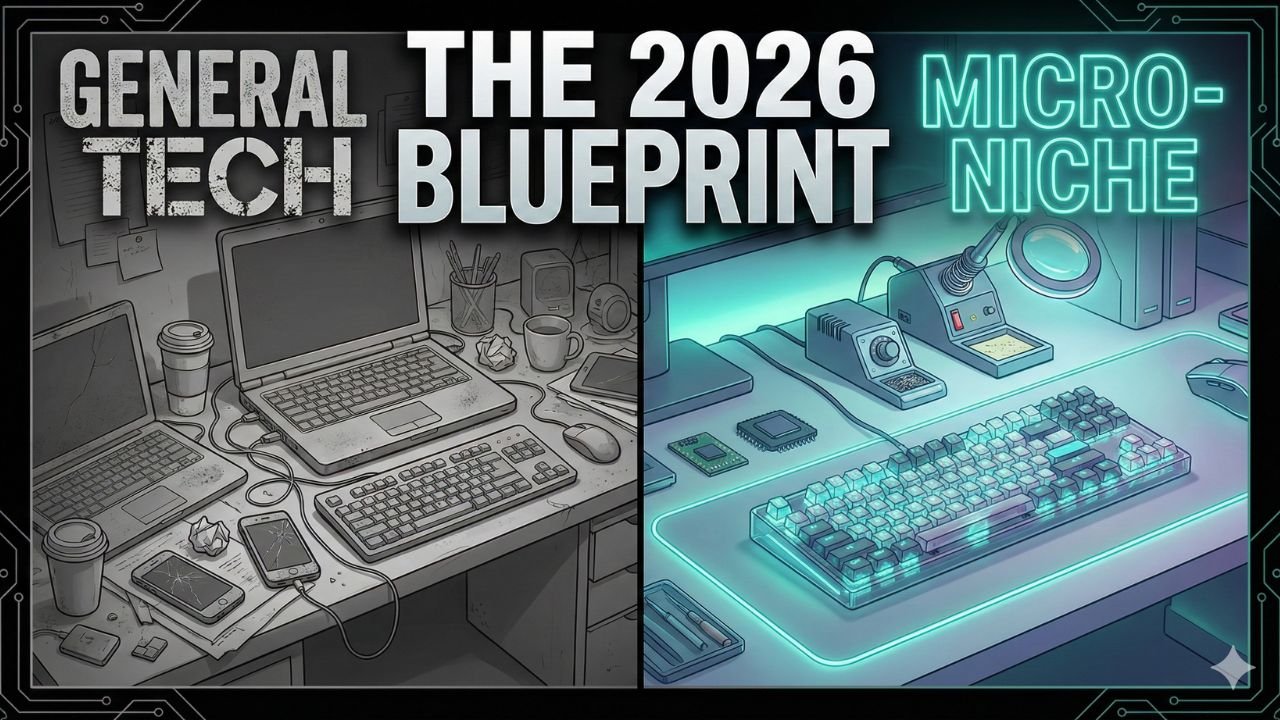
AnimaVersa – Let’s be real for a second. If you are reading this in 2026, you have probably heard the rumors. “Blogging is dead.” “AI took all the traffic.” “TikTok is the only place to exist.”
I am here to tell you that is absolute nonsense. But—and this is a massive “but”—the old way of blogging is dead and buried.
If you think you can spin up a WordPress site, post 500 words on “What is a laptop?”, and wait for Google to send you a check, you are setting yourself up for heartbreak. The Stanford HAI AI Index Report for 2025 confirms that generative AI usage has exploded, with 78% of organizations now utilizing it. The internet is currently drowning in a tsunami of mediocre, robot-written fluff.
This is actually incredible news for you. Seriously.
Because the web is flooded with generic AI content, search engines and, more importantly, human beings are starving for E-E-A-T (Experience, Expertise, Authoritativeness, and Trustworthiness). They are desperate for a real person who has actually touched the gadget, clicked the mechanical switch, or run the code. They want you.
In 2026, you aren’t just starting a “blog”; you are building a media brand that stands on the pillar of human insight. If you can prove you are a real person with real experience, you can crush the competition. In fact, ad revenue and affiliate commissions for high-quality, authentic tech blogs are higher than ever for those who survive the “AI purge.”
So, grab a coffee. We are going to build this thing the right way, from the ground up. This is your definitive roadmap.
Planning Your Niche (Or Why “General Tech” is a Trap)
Here is the biggest mistake I see rookies make: they want to be the next The Verge, TechCrunch, or Wired.
Don’t do it.
If you start a blog covering “Technology News” or “General Gadgets,” you are fighting a war you cannot win. You are competing with billion-dollar corporations and AI aggregators that can publish 500 news stories a day. You cannot out-publish a robot, and you cannot out-spend a corporation.
The Power of the Micro-Niche
In 2026, the money is in the micro-niche. You need to go deep, not wide. Google’s algorithms, specifically the “Helpful Content” systems, reward sites that demonstrate deep topical authority on a specific subject rather than surface-level knowledge on everything.
Compare these two approaches:
- The Generalist (Fails): Writes about iPhones, Crypto, AI, and Toasters. Google has no idea what this site is about. Result: Low Authority, confusing signals.
- The Specialist (Wins): Writes exclusively about Mechanical Keyboards. Reviews switches, keycaps, lubing kits, and custom firmware. Google knows exactly who to send here: keyboard enthusiasts with credit cards in hand.
Why Mechanical Keyboards? (A Case Study in Profitability)
Let’s use Mechanical Keyboards as our golden example throughout this guide to illustrate what a “good niche” looks like.
- Explosive Growth: As noted in recent market analysis by Technavio, the mechanical keyboard market is projected to grow by over $400 million by 2029.1 This isn’t a fad; it’s a growing industry driven by gamers, remote workers, and hobbyists.
- Passionate “Parents”: Enthusiasts in this space don’t just own keyboards; they treat them like pets. In fact, trends show a massive shift toward “customization” and “personalization” in peripheral markets.2 These people read 3,000-word guides on stabilizer lubrication. They are the ideal audience.
- High-Ticket Affiliates: Unlike a $10 book on Amazon where you make pennies, a custom keyboard kit can cost $200–$500. With affiliate programs from brands like Drop, Keychron, or Epomaker offering 5-10% commissions, you are looking at $20-$50 per sale rather than $0.40.3
- Visual Potential: It’s a highly aesthetic niche. Instagram and Pinterest love photos of custom keyboards. This allows you to build a “Visual Moat”—using your own photos to prove you actually possess the products, which is a huge E-E-A-T signal that AI cannot easily fake.
Other 2026 Micro-Niche Contenders:
If keyboards aren’t your thing, consider these:
- Sustainable/Eco-Tech: Focus on solar generators, “Right to Repair” electronics, and energy-efficient smart home gear. With rising energy costs and climate awareness, this sector is booming.5
- Desk Setups (Battle Stations): Ergonomic chairs, monitor arms, cable management, and ambient lighting. The “work from home” trend has morphed into the “custom home office” lifestyle.2
- Home Office Streaming Gear: Microphones, lighting, and capture cards. Everyone wants to be a creator, and they need the gear to do it.
If you can’t write 50 article titles about your topic right now without getting bored, pick a different niche. Passion is your fuel when traffic is low.
Technical Setup (The Right Way)
Okay, you have your niche. Now, please—I beg you—do not go to a free platform like Wix, Squarespace, or Blogspot. You are building a business, not a digital diary. You need Self-Hosted WordPress.
But in 2026, just “having” WordPress isn’t enough. You need speed.
Domain & Hosting (The Speed Foundation)
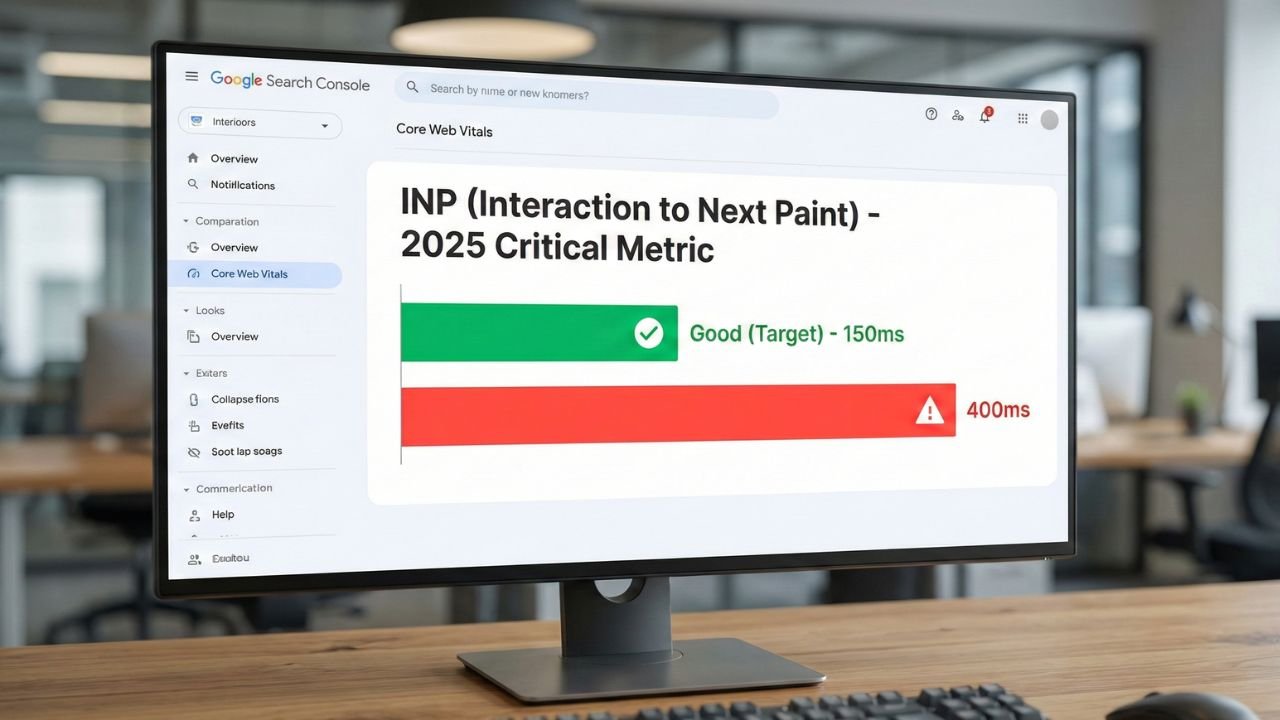
Google’s Core Web Vitals are now a massive ranking factor. The newest metric to watch in 2026 is INP (Interaction to Next Paint), which replaced FID.
What is INP?
Simply put, INP measures how quickly your site responds when a user clicks something. If a user clicks a menu button and the site freezes for half a second before opening, you have a bad INP score. If your host is slow, your INP score tanks, and so do your rankings.
The Hosting Showdown: Hostinger vs. Cloudways
I’ve looked at the benchmarks and speed tests, and here is the verdict for 2026 8:
- For Absolute Beginners (Budget Focused):Hostinger.
- The Pitch: It’s incredibly cheap (starting around $3/mo), surprisingly fast for the price, and handles the basics well.
- The Catch: It’s shared hosting. If you get a sudden viral spike of 50,000 visitors, your site might choke.
- Verdict: If you have $50 to your name, start here. It’s the best “cheap” host.
- For Performance Seekers (The “Raven S” Choice):Cloudways.
- The Pitch: Cloudways is a managed cloud hosting platform. It sits on top of giants like DigitalOcean, Vultr, or Google Cloud. In speed tests, Cloudways consistently delivers lower latency and faster TTFB (Time to First Byte).10
- The Advantage: It scales effortlessly. You get your own server resources. No “bad neighbors” slowing you down.
- Verdict: If you can afford $15-$20/mo, this is the “buy it for life” option.
Whichever you choose, ensure you are running PHP 8.2 or higher and have a server location close to your target audience (e.g., New York server if targeting the US).
Installing a Lightweight Theme
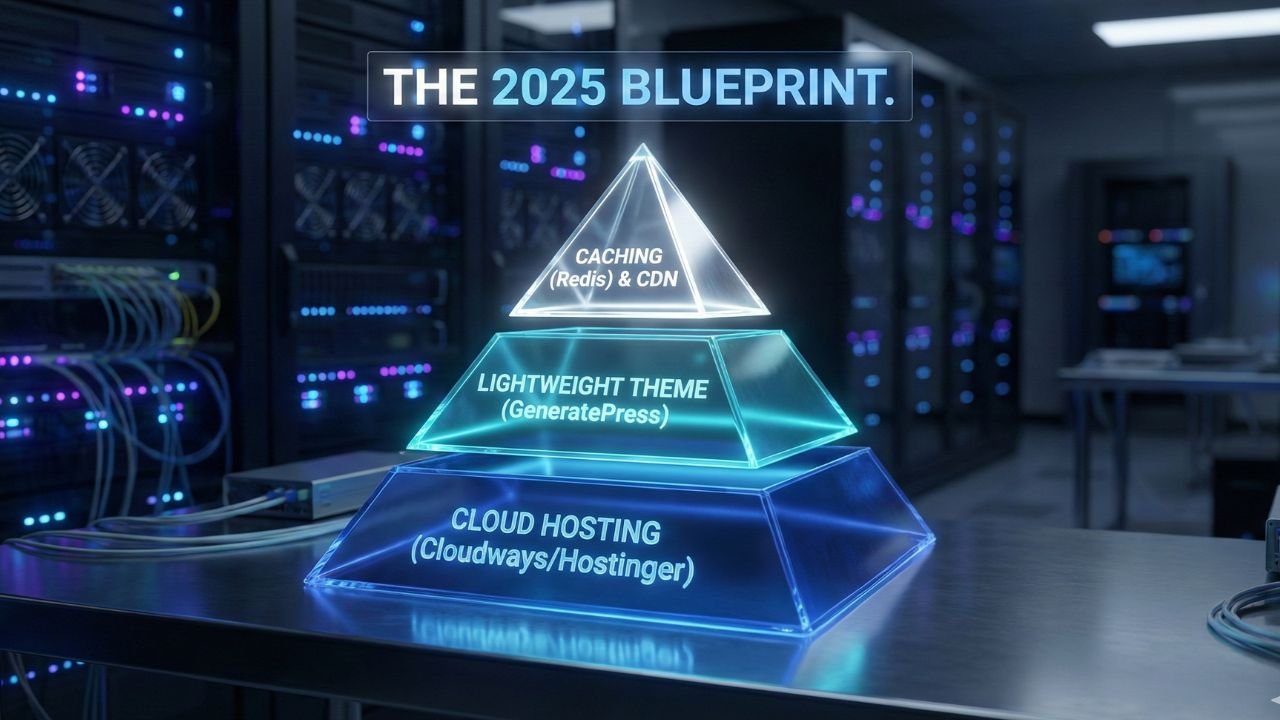
Do not buy that $60 theme on ThemeForest that comes with 50 different plugins, a built-in music player, and a slider revolution. It is “bloatware,” and it will kill your Core Web Vitals.
In 2026, there are only two real contenders for a serious tech blog: GeneratePress and Astra.
| Feature | GeneratePress | Astra |
| Philosophy | Performance first. Minimalist. Developer-friendly hooks. | Customization first. User-friendly. Extensive templates. |
| Size | ~30 KB (Tiny!) | ~50 KB (Still tiny!) |
| Pros | Cleanest code, best for Core Web Vitals, stability. | Massive library of starter templates, great for visual builders. |
| Verdict | Raven’s Pick: GeneratePress Premium. | Best if you want a “drag and drop” design experience. |
The Setup Flow:
- Install WordPress. (One-click install on Hostinger/Cloudways).
- Install GeneratePress (Free or Premium).
- Install a Caching Plugin.
- If on Hostinger: Use LiteSpeed Cache (it’s built-in and amazing).
- If on Cloudways: Use Breeze (free) or WP Rocket (paid but legendary).
- STOP. Do not install anything else yet. Keep your plugin count under 10 if possible. Every plugin is a potential slowdown.
Content Strategy
You have a fast site. Now you need words. But not just any words—strategic words.
Understanding Keyword Intent
You cannot just “write whatever.” You need a mix of two types of content to balance traffic and revenue:
- Informational (The Traffic Bringers):
- Examples: “How to lube mechanical switches,” “Cherry MX vs Gateron,” “Why is my spacebar rattling?”
- Goal: Earn trust, get traffic, satisfy “HowTo” intent, build E-E-A-T. These posts usually don’t make much money directly, but they bring the people in.
- Commercial/Buyer (The Money Makers):
- Examples: “Best 75% mechanical keyboards 2026,” “Keychron Q1 review,” “Epomaker TH80 vs Keychron V1.”
- Goal: Affiliate clicks. These users are ready to buy; they just need a push.
The “Hub and Spoke” Model
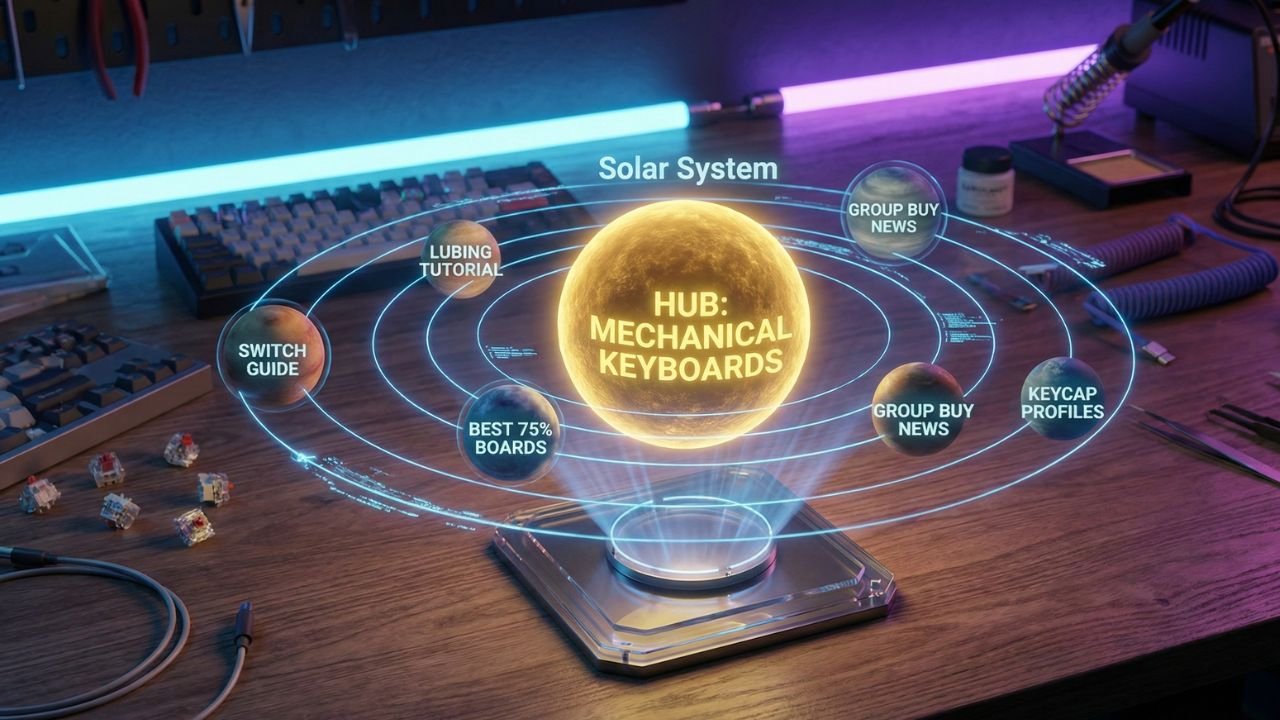
This is how you beat the big guys. You don’t just write random posts; you build Topical Authority Clusters.
Imagine your content is a bicycle wheel.
- The Hub (Pillar Page): This is the center of the wheel. It is a massive, comprehensive guide on a broad topic.
- Example Title: “The Ultimate Guide to Mechanical Keyboards for Beginners.”
- Content: 3,000+ words covering the basics of size (60% vs 100%), switches (Linear vs Tactile), keycaps (ABS vs PBT), and modding. It is the “Bible” of your topic.
- Strategy: This page links out to all your “Spoke” pages for details.
- The Spokes (Cluster Content): These are the spokes of the wheel. They are specific, deep-dive articles on sub-topics mentioned in the Hub.
- Spoke 1: “Linear vs. Tactile Switches Explained (Deep Dive).”
- Spoke 2: “How to Mod Stabilizers: The Band-Aid Mod.”
- Spoke 3: “GMK Keycaps Review: Are They Worth $150?”
- Strategy: Every single Spoke link MUST link back to the Hub.
Why this works:
When you structure your site this way, you create a “web” of relevance. Google’s crawlers see this and think, “Wow, this site covers EVERY aspect of mechanical keyboards. They must be experts.”.15 It boosts your topical authority significantly, making it easier to rank for competitive terms.
Internal Linking Strategy:
Don’t be lazy with links. When you write a review of a keyboard (Spoke), link back to your “Switch Guide” (Spoke) and your “Ultimate Guide” (Hub). Use descriptive anchor text like “check out our linear switch guide” rather than “click here”.
Monetization
You’ve got traffic. Now, let’s get paid.
Getting AdSense Approved (The 2026 Checklist)
I need to warn you: Getting approved for Google AdSense is harder than it used to be. Google is aggressively rejecting sites for “Low Value Content”.17 This is the most common frustration for new bloggers.
The “AnimaVersa” AdSense Approval Checklist:
- [ ] The “Big 3” Pages: You MUST have an About Us, Privacy Policy, and Contact Us page. These must be visible in your menu. The Privacy Policy is legally required (GDPR/CCPA compliance).
- [ ] Content Volume: Do not apply until you have at least 20-30 high-quality posts. Applying with 5 posts is a guaranteed rejection.
- [ ] Word Count: Ensure posts are substantial (1,000+ words). Thin content (300 words) gets flagged as low value.
- [ ] No “Lorem Ipsum”: Ensure every placeholder image and text from your theme installation is removed.
- [ ] Traffic: You don’t need millions, but having some organic traffic (15+ visitors/day) helps verify the site is real and active.
If you get the “Low Value Content” error, it usually means your content isn’t unique enough. Add your own photos. Add a “My Personal Take” section to every post. Prove you are human.
Affiliate Marketing Basics (Beyond Amazon)
Amazon Associates is the default, and you should sign up for it. It’s reliable, and everyone has an account. However, their commissions in the tech electronics category have been slashed to around 3-4%.21
In the tech space, the real money is in Direct Brand Programs.
Look at the Mechanical Keyboard Niche differences:
- Amazon: You sell a generic keyboard. You get 3% commission. The cookie lasts 24 hours (if they don’t buy immediately, you get nothing).
- Keychron / Drop / Epomaker: These brands have direct affiliate programs. They often offer 5-10% commission and 30-day cookies.
Actionable Strategy:
- Tier 1 (The Base): Sign up for Amazon Associates for general gear (cables, switch pullers, tools). It captures the “convenience” buys.
- Tier 2 (The Aggregators): Sign up for networks like ShareASale, Impact, or CJ to find tech brands (like generic PC parts, VPNs, hosting).
- Tier 3 (The Gold Mine): Go to the footer of your favorite niche brands (e.g., Keychron.com, Lofree.co) and look for “Affiliate Program.” Direct partnerships almost always pay better and treat you like a partner, not a number.
Future-Proofing with E-E-A-T
We touched on this in the intro, but let’s drill it down. E-E-A-T stands for Experience, Expertise, Authoritativeness, and Trustworthiness. In 2025, the “E” for Experience is the most critical.
AI can simulate “Expertise” (it can list specs). AI cannot simulate “Experience” (it cannot tell you how the keys feel after 6 hours of typing).
How to inject Experience into your blog:
- Original Photography: Stop using stock photos. Take photos of the product on your desk. Even if they are taken with a smartphone, they prove you physically have the item.
- First-Person Narrative: Use phrases like “When I tried to install this…” or “I noticed a pinging sound after two weeks…”
- The “Verdict” Box: Don’t just list pros and cons. Give a definitive opinion. “Buy this if you are a typist; avoid it if you are a gamer.” AI is often too neutral. Be opinionated.
- Author Bio: Your “About” page should scream credibility. “Hi, I’m Raven. I’ve built 50+ custom keyboards and spent $10k on plastic squares.” Link to your LinkedIn or Twitter.
The Realistic 6-Month Timeline
Starting a tech blog is a marathon, not a sprint. I want to manage your expectations so you don’t quit in Month 2. Here is what your life looks like:
- Month 1: The Ghost Town. You build the site. You write 10 articles. You have zero traffic. You question your life choices. Keep going. This is the “Sandbox” phase.
- Month 2-3: The Grind. You keep writing. You target low-competition keywords (“Spokes”). You might see your first 10 visitors from Google. You are building the library.
- Month 4: The Traction. One of your “Spoke” articles ranks on Page 1. You get 50 visitors a day. You apply for AdSense and get approved. You make $0.12. Celebrate this $0.12. It proves the model works.
- Month 6: The Compound Effect. You have 50 articles. The Hub & Spoke model kicks in. You are getting 5,000 visitors a month. You make your first $100 from a high-ticket affiliate sale.
Key Takeaways:
- Niche Down: General tech is dead; long live the micro-niche (like Mechanical Keyboards).
- Speed Matters: Use Hostinger (Budget) or Cloudways (Performance) and GeneratePress to satisfy Core Web Vitals (INP).
- Structure Content: Use the Hub & Spoke model to build topical authority and guide the user journey.
- Humanize: In an AI world, your personal experience (E-E-A-T) and original photos are your only moat.
- Monetize Smart: Don’t rely solely on Amazon; find direct brand partners for double the commissions.
You’ve got the blueprint. You have the tools. The only thing AI can’t do is take the first step for you. Go build something awesome.
Want more insights?
Check out my deep dive on “The Best WordPress Plugins for 2025” to keep your new site lean and mean.
Stay Connected, Don’t forget to follow and like AnimaVersa on Facebook, X, YouTube, Instagram, and TikTok for daily tips and tech.

Raven S., is a technologist, professional coder, and software enthusiast with a singular vision: to bring transparency, depth, and genuine expertise to tech journalism.